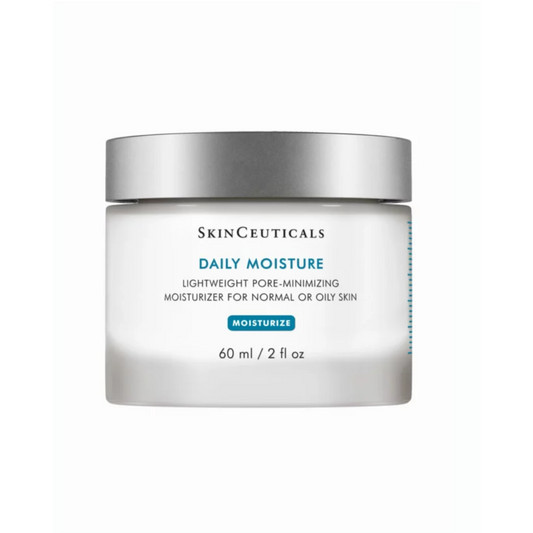
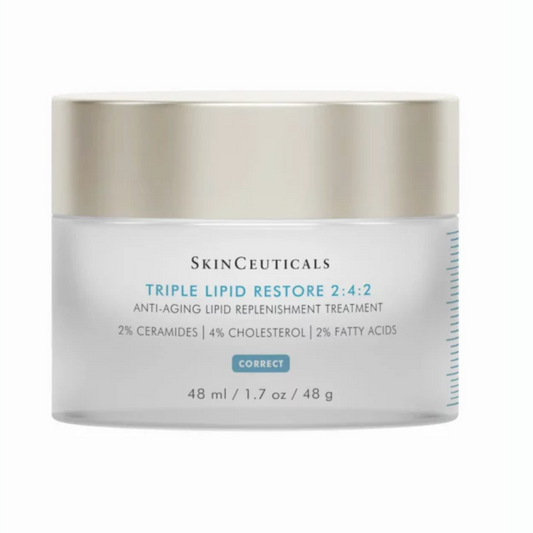
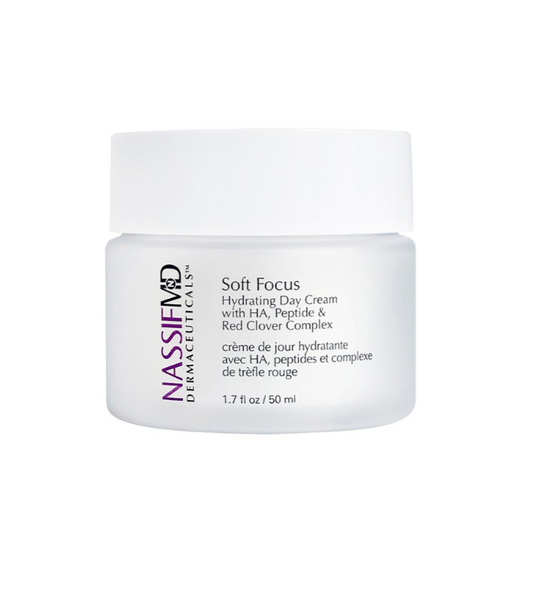
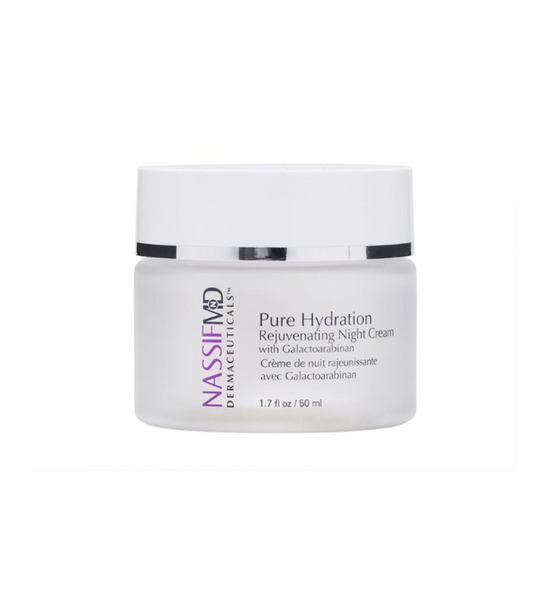
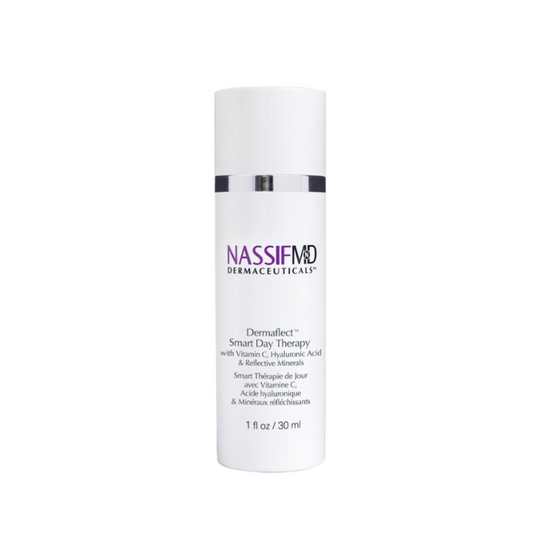
Collection: Creams

Brand guide

About Creams

Creams offer richer support for dryness, barrier repair, post-treatment comfort, ageing care or targeted areas such as the neck and eyes. They are usually more cushioning than lotions or gels. The right cream should leave skin comfortable, not greasy, and should match both skin type and routine step.

Brand science

Key Technology

Cream formulas may include ceramides, panthenol, madecassoside, PHA bionic acids, peptides, shea butter, glycerin or oil-control gel-cream systems. Some focus on barrier comfort, others on firming or targeted repair. Texture is key: a cream that is too rich will not suit every face.

Shopping guide

How to Choose

Choose lightweight gel-cream for oily skin, a standard cream for daily comfort, and a richer repair cream or balm for dryness and barrier stress. Use targeted creams for the eye or neck area where appropriate. If layering with SPF, check that the texture sits well.

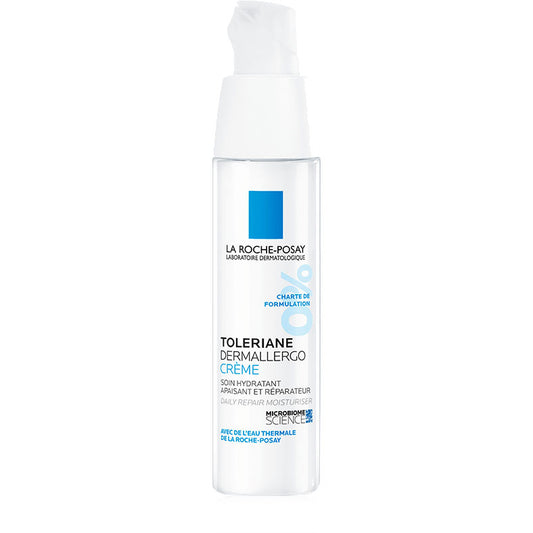
Creams FAQs

Common questions about Creams products and routines.

What is the difference between a cream, lotion and balm?
A lotion is usually lighter, a cream is richer, and a balm is more occlusive and protective. Oily skin may prefer lotions or gel-creams, while dry or barrier-stressed skin often needs creams or balms. The best texture is the one that keeps skin comfortable without clogging or feeling heavy.
When should I choose a cream over a serum?
Choose a cream when the main problem is dryness, tightness, barrier stress or discomfort. Choose a serum when you need a targeted active for pigmentation, ageing, hydration or blemishes. Many good routines use both: serum for the concern, cream for comfort and barrier support.
Can rich creams cause breakouts?
They can if the texture is too heavy for your skin or if you are prone to congestion. That does not mean creams are bad; it means the formula must match the skin type. Acne-prone skin often does better with lighter non-comedogenic moisturisers, while dry or eczema-prone skin may need richer support.