How should I start retinol without damaging my barrier?
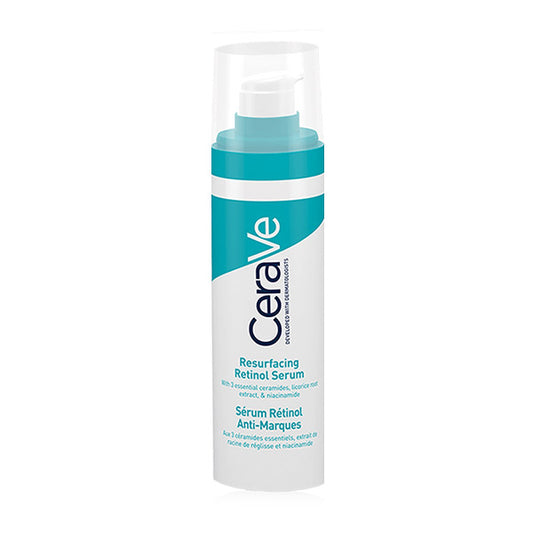
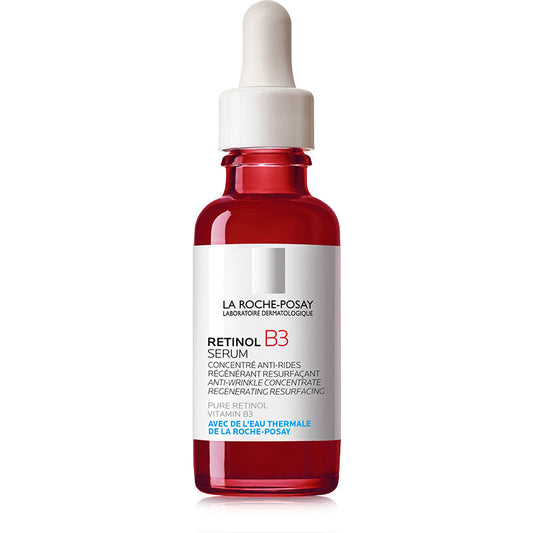
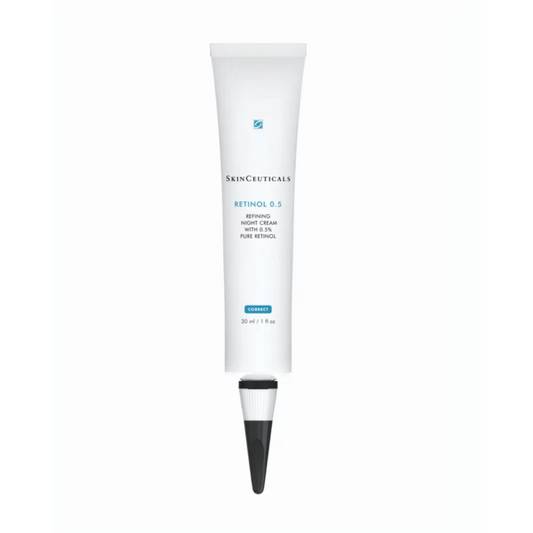
Start at night, use a small amount, and apply it only a few times a week at first. Keep cleanser, moisturiser and sunscreen simple. Avoid adding glycolic acid, salicylic acid or strong brightening products on the same nights until your skin is comfortable. Peeling or tightness means you should reduce frequency.
What is the difference between retinol for ageing and acne?
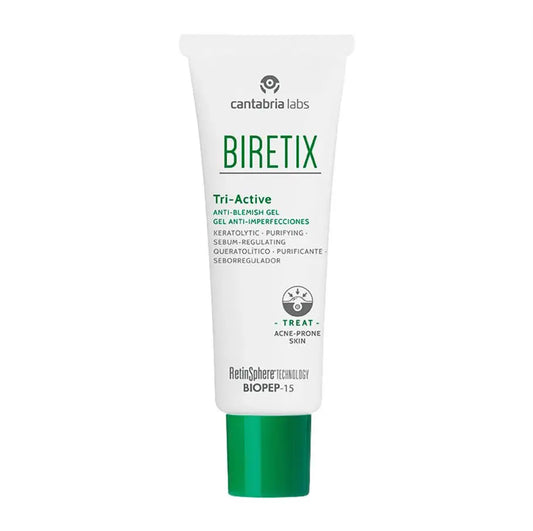
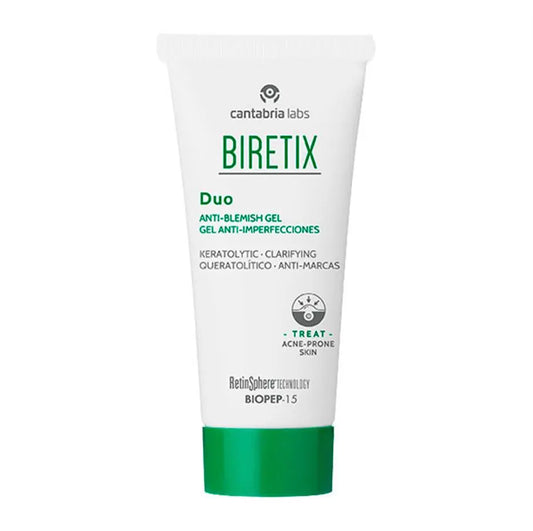
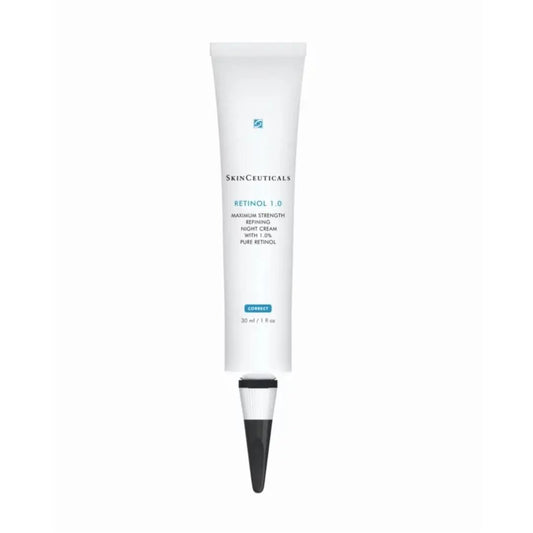
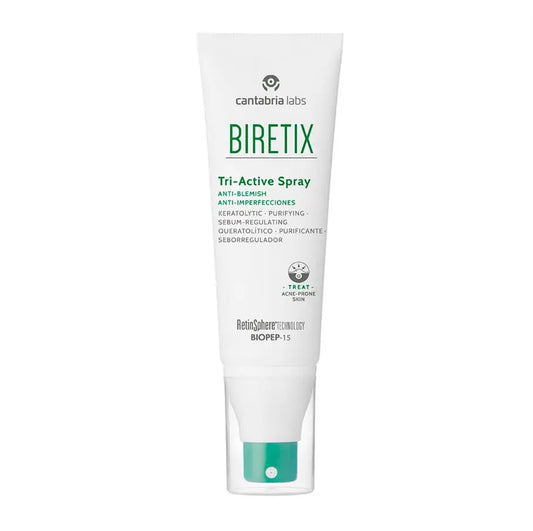
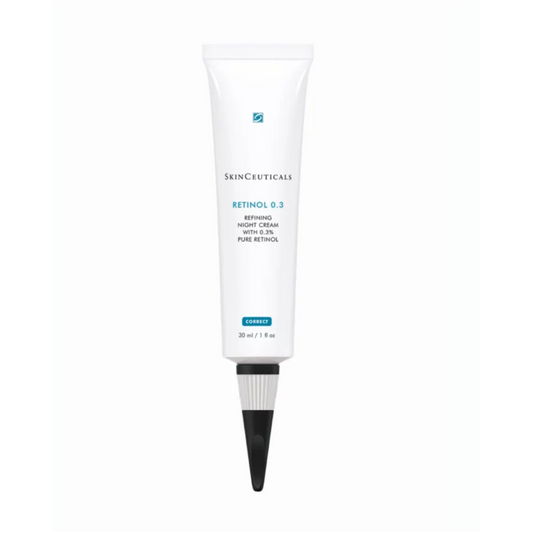
The ingredient family overlaps, but the product positioning differs. Acne routines often use retinoids to help clogged pores and post-blemish marks, while ageing routines use retinol for texture, fine lines and uneven tone. Choose the product based on the concern and surrounding formula, not just the word “retinol”.
Who should avoid retinol or get advice first?
If you are pregnant, breastfeeding, using prescription acne medication, recently treated with peels or lasers, or dealing with a damaged barrier, get professional advice before using retinol. Retinol can be very useful, but it is not a casual add-on when the skin is already inflamed or medically managed.