Brand guide
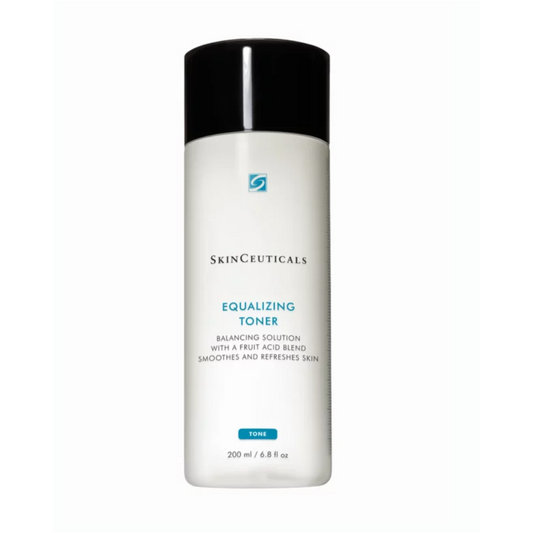
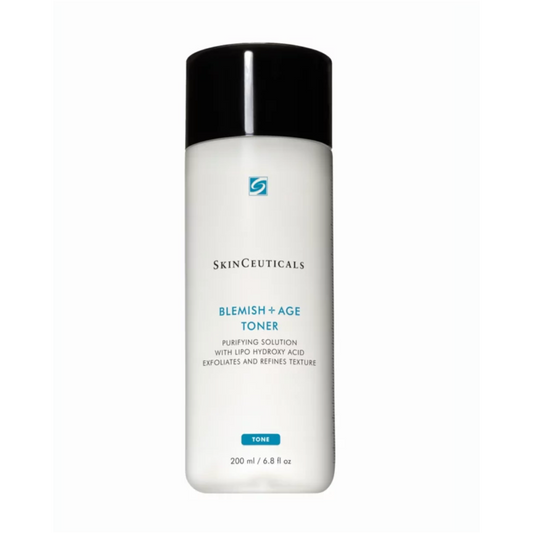
Toners can refresh after cleansing, remove residue or add a light treatment step, depending on the formula. Modern toners are not all astringent; some are calming, some exfoliating and some designed for oily skin. Choose based on what the routine needs, not because toner is mandatory.
Brand science
Key Technology
Toner technologies may include salicylic acid, glycolic acid, gluconolactone, calming ingredients, Vichy mineral water or oil-control astringent bases. Exfoliating toners can be useful, but they should not duplicate acids already used in cleansers, serums or pads. Comfort matters more than that squeaky-clean feeling.
Shopping guide
How to Choose
Choose a hydrating or calming toner for comfort, a purifying toner for oily skin and an exfoliating toner only if the rest of the routine is gentle. Use acid toners slowly at first. If skin feels tight or shiny after use, reduce frequency.
Toners FAQs
Common questions about Toners products and routines.
Do I actually need a toner?
Not always. A toner is optional, not a compulsory skincare step. It can help if it has a clear purpose, such as gentle hydration, oil control or exfoliation. If your cleanser, moisturiser and SPF already work well, you do not need a toner just to make the routine complete.
What is the difference between hydrating and exfoliating toners?
Hydrating toners focus on comfort and water-binding ingredients. Exfoliating toners use acids such as glycolic, lactic or salicylic acid to smooth texture or help congestion. Exfoliating toners should be introduced slowly and not layered with retinol or other acids at first. Sensitive skin usually does better with hydrating support.
Can toner irritate sensitive skin?
Yes, especially if it contains alcohol, fragrance or exfoliating acids. Sensitive skin should avoid toners that leave the face tight, shiny or stingy. If a toner burns, stop using it and return to a gentle cleanser and moisturiser. A toner should improve the routine, not make the barrier worse.