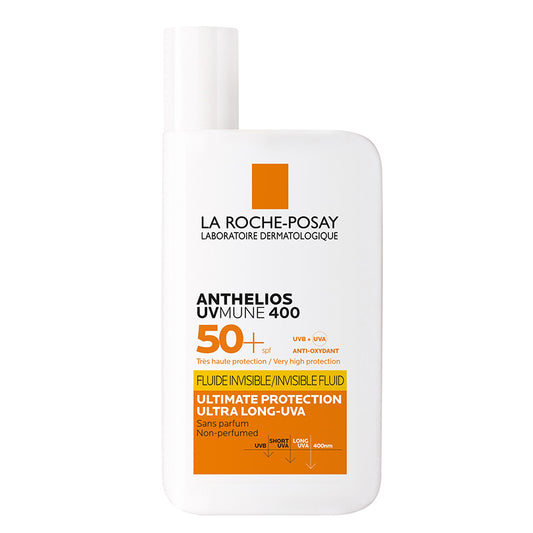
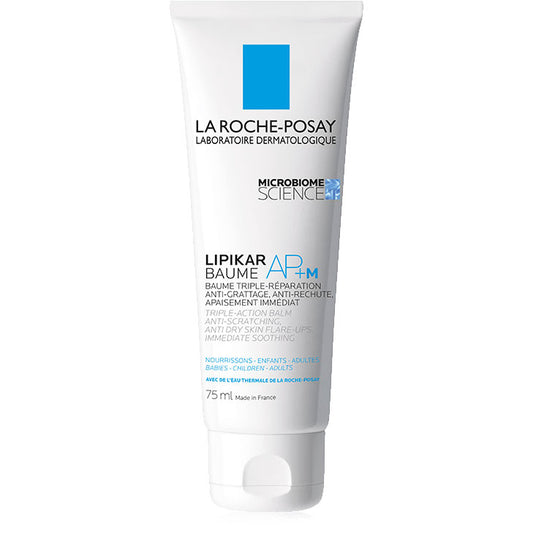
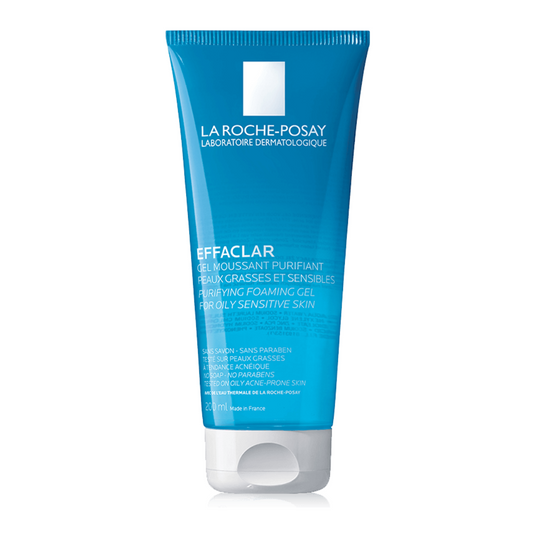
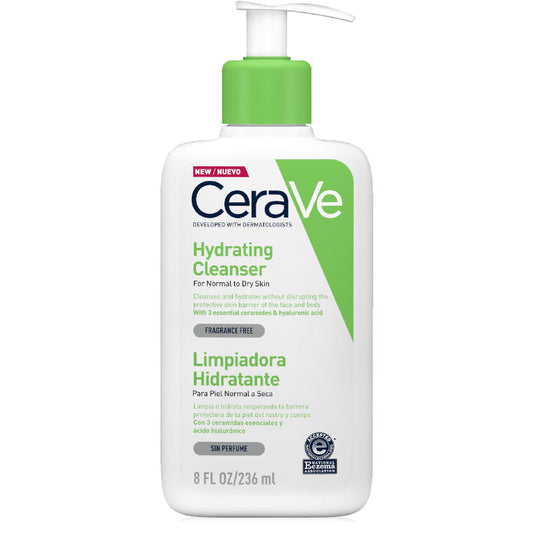
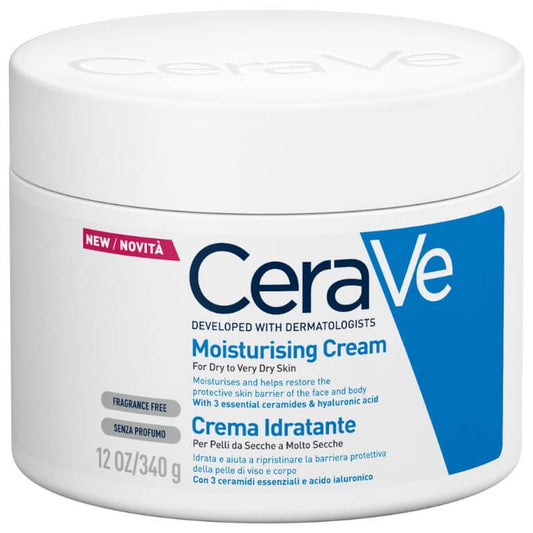
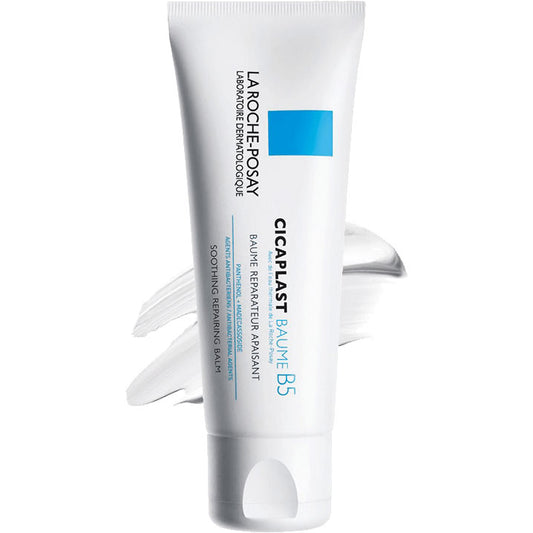
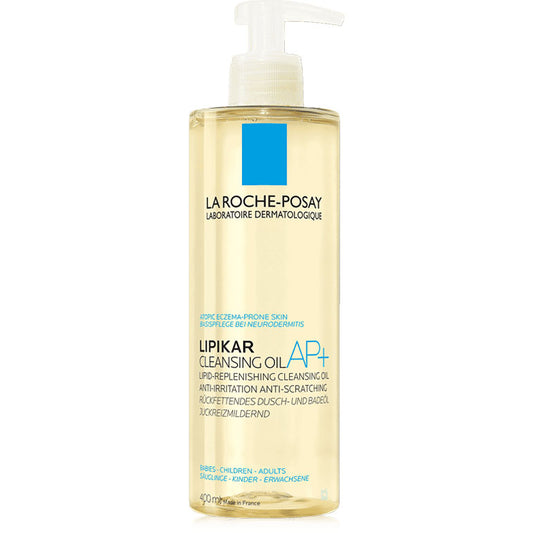
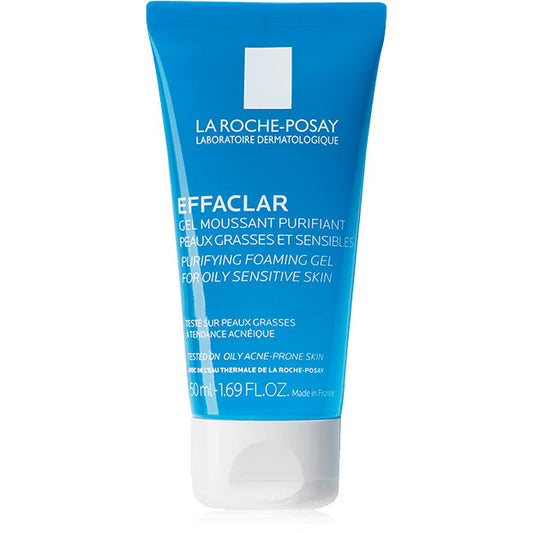
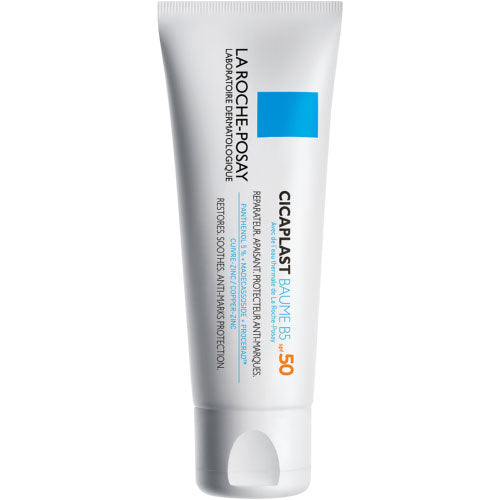
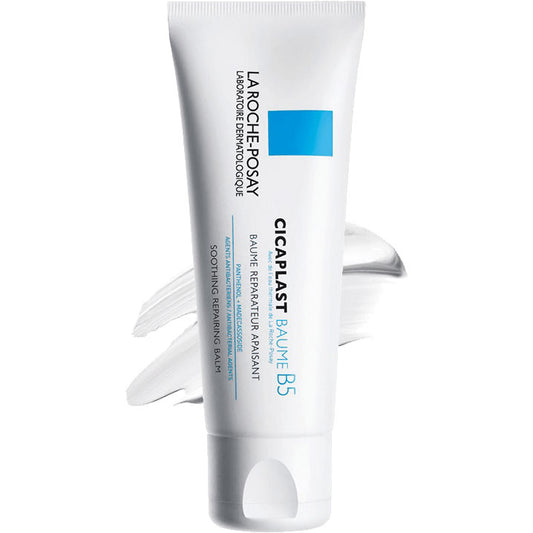
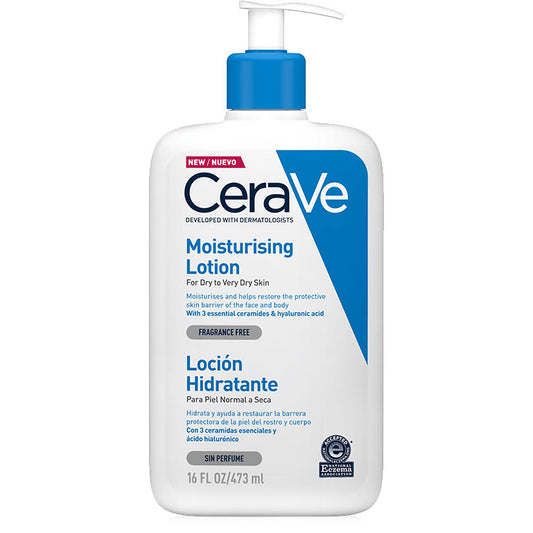
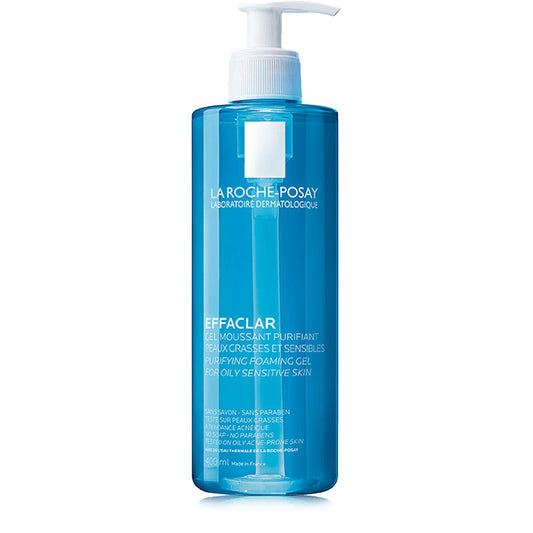
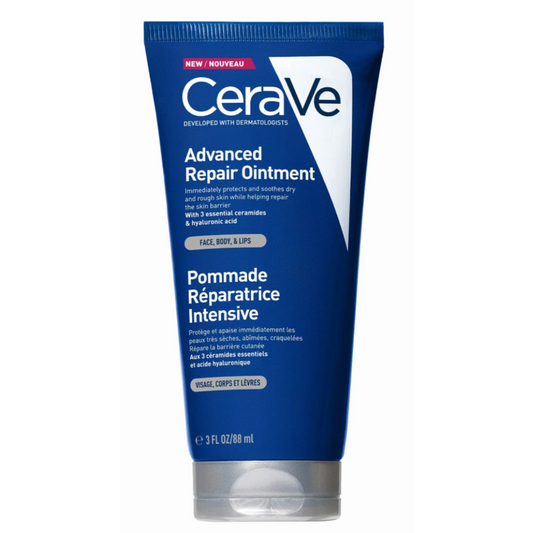
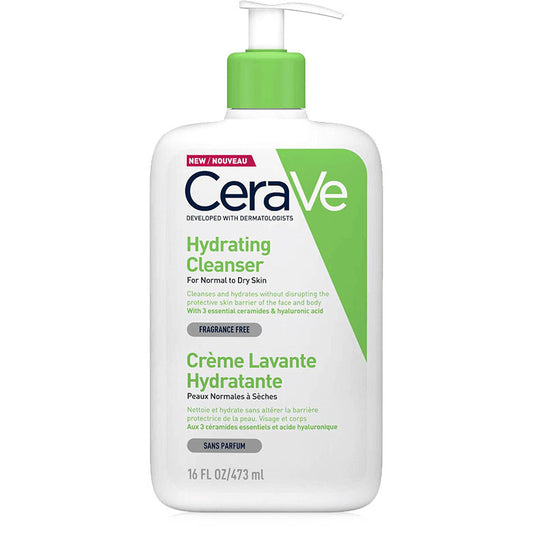
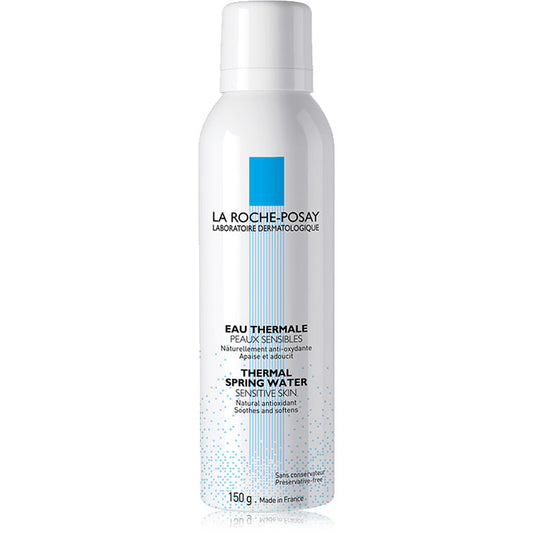
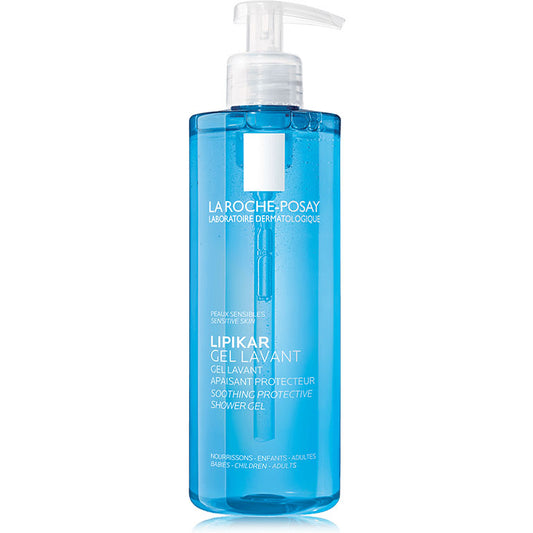
Eczema-prone and dermatitis-prone skin needs barrier comfort first. This selection focuses on very dry, itchy-feeling, reactive or easily irritated skin. The routine should be gentle, fragrance-conscious where possible and rich enough to reduce tightness. Skincare can support comfort, but persistent flares need professional guidance.
Brand science
Key Technology
Useful ingredients include ceramides, niacinamide, shea butter, glycerin, panthenol, lipid-replenishing balms and gentle hydrating cleansers. These technologies help reduce dryness and support the barrier. Avoid making the routine too active; strong acids, scrubs and retinoids can make compromised skin feel worse.
Shopping guide
How to Choose
Start with a gentle cleanser and a rich moisturiser or balm. If skin stings easily, avoid fragranced products and introduce one new product at a time. Use SPF on exposed areas when tolerated. If skin is cracked, infected-looking, painful or not improving, seek medical advice.
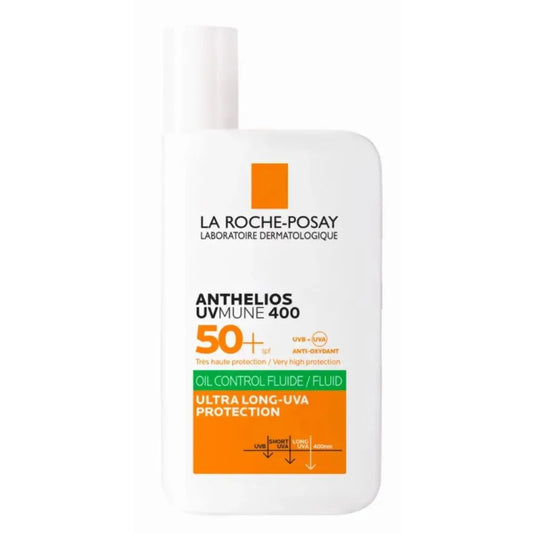
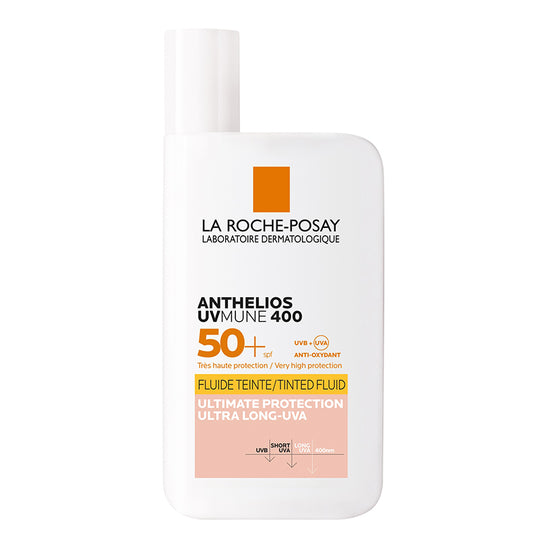
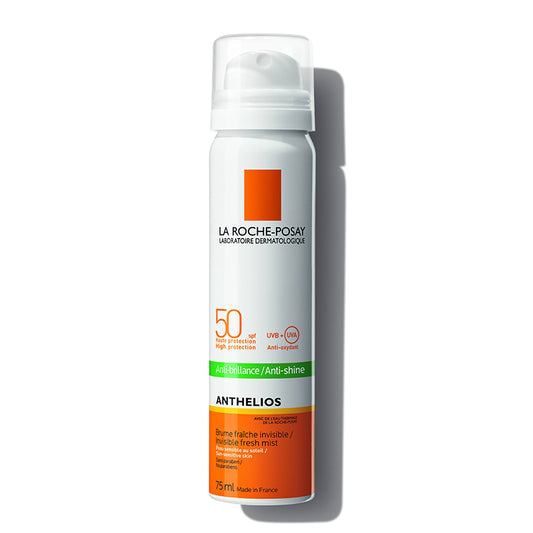
Very high SPF50 anti-shine facial mist sunscreen for oily, sensitive skin.
Regular price
R 350.00
Regular priceSale price
R 350.00
Unit price/ per
Eczema & Dermatitis FAQs
Common questions about Eczema & Dermatitis products and routines.
What skincare is safest when eczema-prone skin is flaring?
Keep the routine bland and moisturising. Use a gentle cleanser only where needed, apply a rich fragrance-free moisturiser or emollient, and avoid acids, retinoids, scrubs and fragranced products. If the skin is weeping, crusting, infected-looking or very painful, skincare is not enough; get medical advice.
How often should eczema-prone skin be moisturised?
Often more than once daily, especially after bathing or handwashing. Dermatology guidance commonly focuses on regular emollient use and avoiding triggers. The exact frequency depends on dryness and the product texture. If a moisturiser stings, it may be the wrong formula or the barrier may be too compromised.
Can eczema-prone skin use active ingredients?
Only when the skin is calm and intact. During flares, active ingredients such as retinol, glycolic acid, salicylic acid and strong vitamin C can worsen irritation. Once the barrier is stable, introduce actives slowly and one at a time. Persistent eczema should be managed with a healthcare professional, not only retail skincare.
Choosing a selection results in a full page refresh.
Opens in a new window.
Routine Finder
Build My Routine
Answer a few questions and get a smarter recommendation.
Age range
Products recommended for paediatric or teenage use should be used under adult supervision. Purchases may only be made by individuals aged 18 or older.
Main concern
This list now pulls from the product metafield values already in use.
Skin profile
Skin sensitivity
We'll match products suitable for your sensitivity level or a gentler category.
Routine preference
Pick AM + PM to build a full-day routine (we'll include AM-only and PM-only products too).
Include makeup in your routine?
If yes, we’ll add selected makeup picks, including complexion, lip, eye and setting options.
Routine budget
We'll prioritise strong matches close to your budget, but product suitability comes first. If needed, you can remove an optional step rather than receive a weaker match.
Fitzpatrick type
This helps with pigmentation and post-treatment risk.
Preferred brands
Choose any brands you’d like us to prioritise.
Safety checks
Tell us what you are already using and what we should avoid.
Actives or medications you use
We’ll avoid doubling up or layering products that may clash.
Select actives or medications⌄
Allergies or known reactions
We’ll avoid products marked with these ingredients or reactions.
Select allergies or reactions⌄
⚕
Pregnant, breastfeeding, or managing an autoimmune condition?
Please check with your doctor before starting a new routine. Some ingredients — especially retinoids and hydroquinone, and high-strength salicylic acid — may not be suitable in pregnancy or while nursing. Because safety data is limited and autoimmune conditions vary widely, we can’t give a reliable generic recommendation here. Your gynaecologist or specialist is best placed to advise.
Topical steroid use
Select yes only if you are currently using a topical steroid on your face or the same area, for example hydrocortisone, betamethasone, mometasone or clobetasol. We’ll avoid products that may overlap with or irritate that treated skin.
Used isotretinoin / Accutane in the last 12 months?
Select yes if you have taken Roaccutane, Accutane, Oratane or oral isotretinoin tablets in the last 12 months. We’ll avoid stronger actives that may irritate recently sensitised skin.
Aesthetic treatments
Select peels, laser/IPL or microneedling only if you do them regularly, are in an active treatment plan, or want a gentler routine around treatment periods. For a once-off treatment, you can leave this blank and follow your practitioner’s aftercare advice.
Your recommendation
Recommended products
A smarter routine based on your answers.
!
No products match these filters
Try adjusting your selections — for example, choose a different brand, remove an allergy, or widen your budget.
Important: your routine includes a retinoid — please read before starting
Apply at night only, and titrate gradually — begin twice weekly for two weeks, progress to alternate nights, then to nightly use as tolerated.
Broad-spectrum SPF 30+ is essential each morning. Retinoids increase photosensitivity; unprotected sun exposure can worsen pigmentation and irritation.
Do not layer with other actives on the same night — avoid AHAs, BHAs, benzoyl peroxide, and vitamin C to reduce the risk of barrier disruption.
Contraindicated in pregnancy and breastfeeding, and while taking oral isotretinoin (Roaccutane).
If you are uncertain whether a retinoid is appropriate for you, please consult your clinician or speak to one of our aestheticians on WhatsApp before starting.
This routine builder was developed with medical professionals,
but it is a general guide only — not medical advice, and it does
not replace an in-person consultation. Automated recommendations may not suit every
skin type, so always patch-test a new product before full use. If you are unsure,
please confirm with one of our dermal aestheticians on
WhatsApp
or book a skin consultation before purchasing.
By using the routine builder you agree to our
Terms of Use.