What is glycolic acid best for?
Glycolic acid is mainly a surface-renewing AHA, so it is best suited to dullness, rough texture and uneven-looking skin rather than oily pores alone. It can make skin feel smoother, but it is also more likely to irritate if overused. Sensitive skin may prefer PHA or lower-frequency exfoliation.
How often should I use glycolic acid?
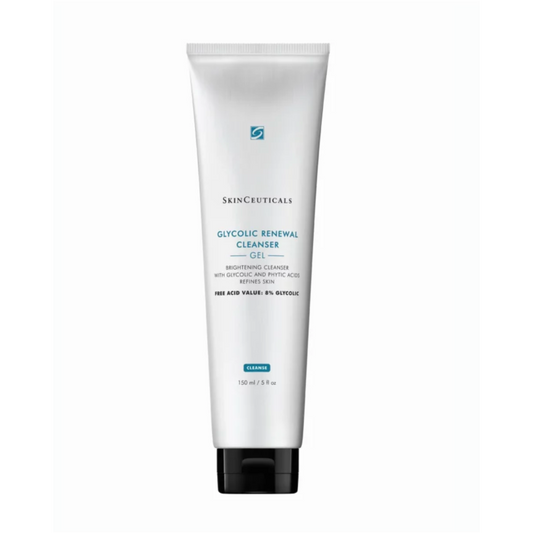
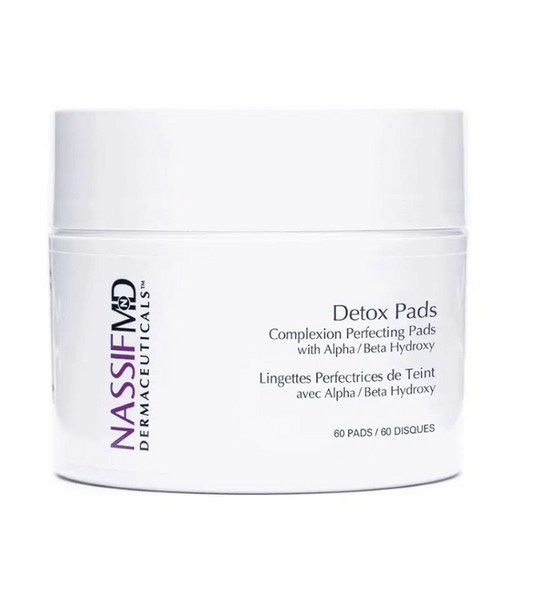
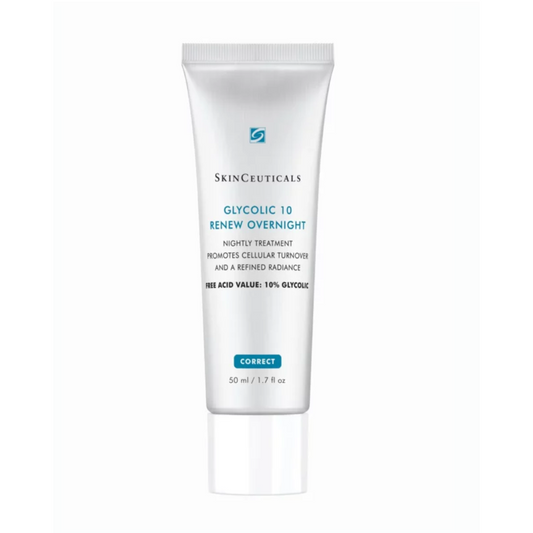
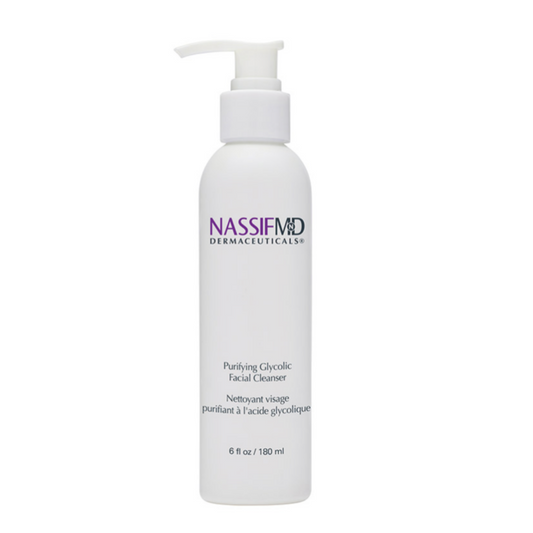
Follow the product instructions, but if you are new to glycolic acid, begin less often than daily. Leave-on creams, pads and peels can feel much stronger than rinse-off cleansers. If skin becomes shiny, tight, flaky or stingy, reduce frequency and use moisturiser until the barrier feels normal.
Can glycolic acid be used with retinol?
It can be part of the same overall routine, but not necessarily on the same night. Many skins tolerate glycolic acid and retinol better when alternated. Using both too aggressively can damage the barrier and increase sun sensitivity. Keep SPF consistent and simplify the routine if dryness or redness appears.