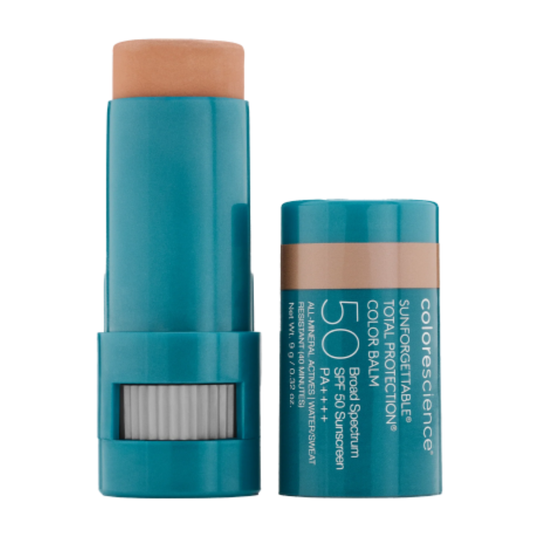
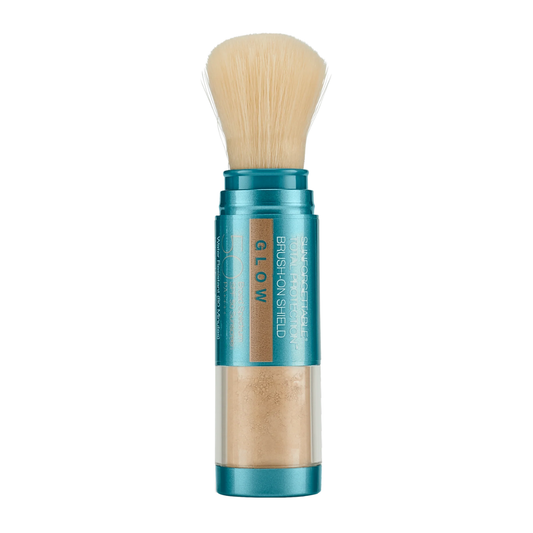
Collection: Tinted Sunscreen

Brand guide

About Tinted Sunscreen

Tinted sunscreen combines daily UV protection with light to medium tone coverage. It is useful when you want fewer morning layers, a more even finish or visible-light support for pigmentation-prone skin. The best tinted SPF is one that suits your shade, finish and skin type well enough to reapply.

Brand science

Key Technology

Tinted SPF may use mineral or hybrid UV filters, iron oxide pigments, Fernblock antioxidant support, oil-free compact textures or tone-adapting coverage. Iron oxides are especially relevant for visible-light protection in some pigment-prone routines. Texture and shade match are just as important as SPF number.

Shopping guide

How to Choose

Choose shade first, then finish. Oily skin may prefer oil-free gel, fluid or compact textures; dry skin may prefer creamier fluids. If you use makeup, test whether the tint gives enough coverage on its own. Apply generously, because a thin cosmetic layer is not enough for full SPF protection.

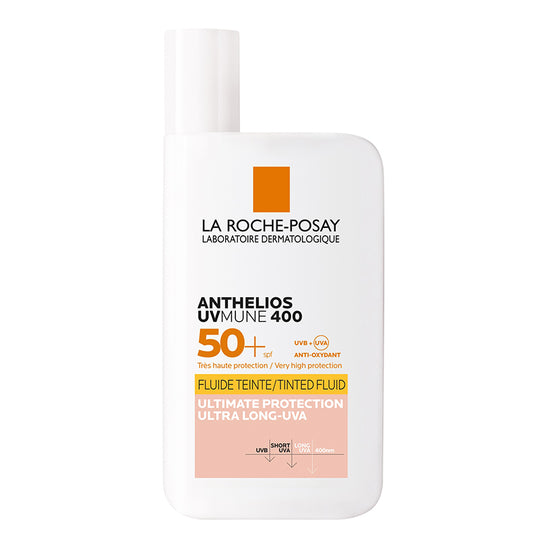
Tinted Sunscreen FAQs

Common questions about Tinted Sunscreen products and routines.

Who should choose a tinted sunscreen?
Tinted sunscreen is useful if you want daily SPF plus a more even-looking skin tone. It is especially helpful for pigmentation-prone skin, redness-prone skin or anyone who dislikes layering foundation over SPF. Choose a shade and texture you will apply generously, because under-applying tinted SPF reduces protection.
Does tinted sunscreen replace foundation?
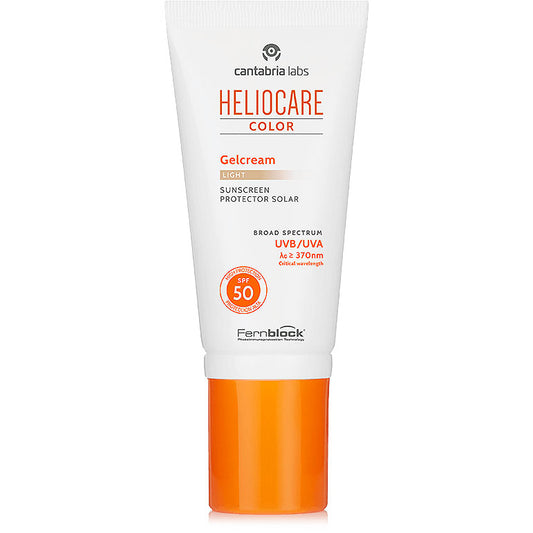
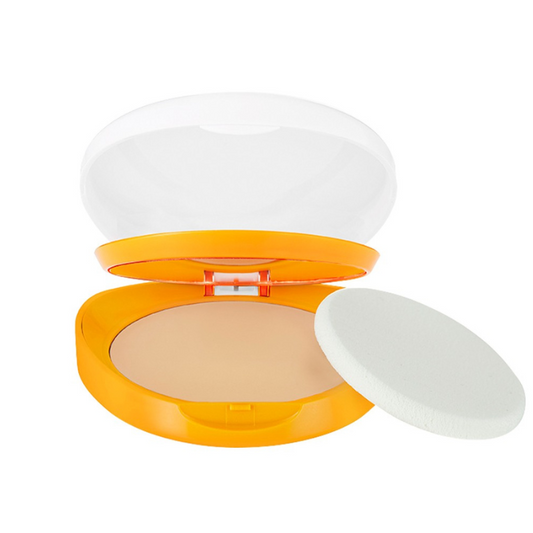
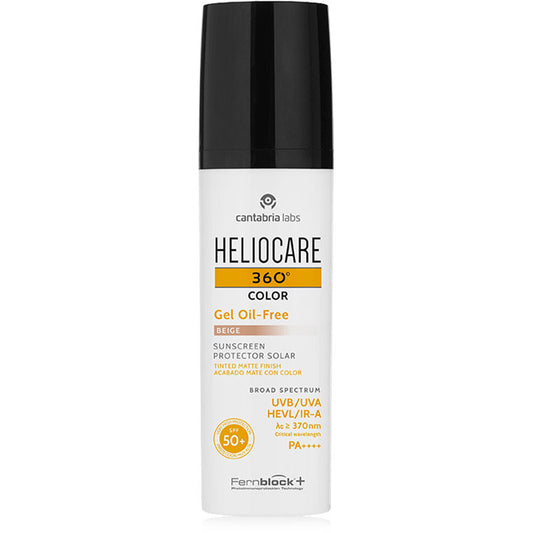
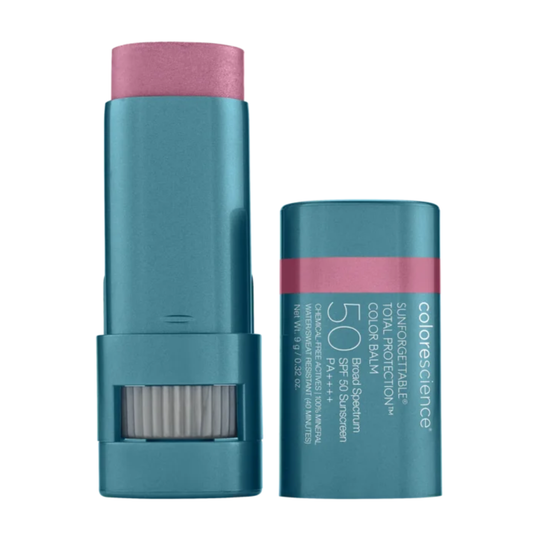
Sometimes, depending on coverage preference. Products like Colorescience Face Shield Flex offer tone-adapting coverage, while Heliocare tinted fluids or compacts can even out the skin with SPF. Treat them as sunscreen first and makeup second. If you only apply a makeup-sized amount, you may not get the labelled SPF protection.
Why are tinted sunscreens often recommended for pigmentation?
Tinted sunscreens can include iron oxide pigments, which help with visible-light coverage while evening skin tone. This matters because visible light may worsen the look of pigmentation in some skin types. For dark spots, tinted SPF is not the only treatment, but it is a very useful daytime support step.